Is Coin Lab Legit?The Question Everyone Is Asking
In the cryptocurrency market, few questions are as important—or as difficult to answer—as the question of legitimacy. The space is filled with innovative projects that genuinely seek to revolutionize finance, but it is equally filled with projects designed to separate retail investors from their money through hype, manipulation, and deception.
In 2026, one project has become the center of this debate more than any other: Coin Lab and its native token, LAB.
The story of LAB Coin is one of the most dramatic in recent crypto history. A token that launched quietly in October 2025 with little fanfare became, within months, one of the most discussed and controversial assets in the entire cryptocurrency market. At its peak, LAB reached a fully diluted valuation (FDV) of approximately $14 billion, ranking it among the largest cryptocurrency projects in the world. It attracted backing from prominent venture capital firms including Animoca, OKX Ventures, and GSR. It secured listings on major exchanges including Binance, Bitget, Gate.io, and KuCoin.
And then it collapsed.
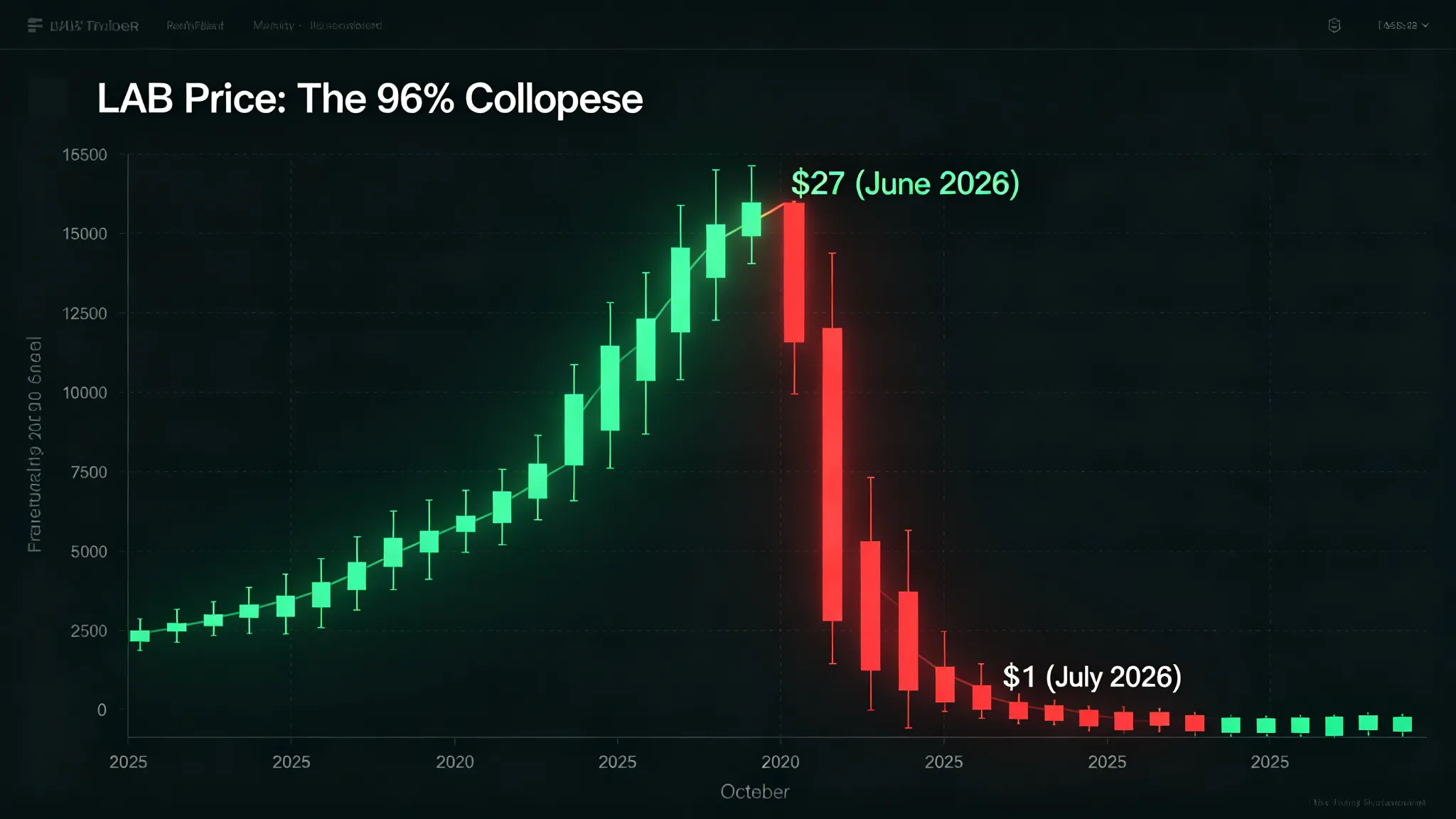
In just a few weeks, LAB plunged from over $27 to below $1—a drop of more than 96%. The token’s market capitalization evaporated by tens of billions of dollars. Investors who had bought at the top were left holding assets worth a fraction of what they had paid. And at the center of it all were allegations of market manipulation, insider control, and exchange complicity that have shaken confidence in the entire cryptocurrency ecosystem.
This guide provides a comprehensive, evidence-based investigation into Coin Lab and LAB Coin. We will examine what the project claims to be, what the evidence actually shows, and—most importantly—whether Coin Lab is legitimate or a carefully constructed trap for retail investors.
What Is Coin Lab? Understanding the Project
Coin Lab is the organization behind the LAB cryptocurrency token. The project positions itself as a multi-chain trading terminal focused on AI-driven trading narratives. Its core product is LAB Terminal, a trading ecosystem designed to help users trade across different cryptocurrency environments with faster execution speeds, lower fees, advanced order types, MEV protection, perpetual contracts, and multi-chain support.
According to the project’s public materials, LAB aims to become a comprehensive DeFi infrastructure project, evolving from a meme coin trading tool into a full-service, multi-chain trading platform. The LAB Terminal integrates spot trading, limit orders, and perpetual contracts with cross-chain functionality, supplemented by “Boost Mode” high-speed execution and an AI research engine. The project’s ambition is to provide a unified entry point in what it describes as a fragmented multi-chain trading environment.
The project was co-founded by Vova Sadkov and Mark X. According to public reports, Sadkov had prior entrepreneurial experience in the EduTech and MedTech sectors before entering the cryptocurrency industry in early 2024.
At first glance, Coin Lab appears to be a legitimate, ambitious project. It has a clear value proposition, a working product in the form of the LAB Terminal mobile application, and backing from respected venture capital firms. These factors have led many investors to believe that LAB represents a genuine opportunity.
However, as we will see, the surface-level presentation masks a deeply troubling reality.
What Is LAB Coin? The Token Behind the Platform
LAB is the native cryptocurrency token of the Coin Lab ecosystem. It is designed to serve as the fuel for the LAB Terminal platform, facilitating transactions, governance, and ecosystem participation.
Key Tokenomics Details
| Attribute | Details |
|---|---|
| Token Name | LAB |
| Blockchain | Multiple (multi-chain) |
| Launch Date | October 2025 (TGE) |
| Maximum Supply | 1 billion LAB |
| Circulating Supply | ~312 million LAB (~31% of total) |
| Locked Supply | ~688 million LAB (~69% of total) |
| Peak Price | ~$27 (June 2026) |
| Current Price (as of July 2026) | ~$1–$5 (highly volatile) |
The token generation event (TGE) for LAB took place in approximately October 2025, meaning the project was less than a year old when it experienced its dramatic rise and fall.
LAB’s maximum supply is capped at 1 billion tokens. As of mid-2026, approximately 312 million tokens are in circulation, representing just 31% of the total supply. The remaining 69% remains locked, with significant unlocks scheduled for July and August 2026—a development that has raised serious concerns about future selling pressure.
The project has also implemented a buyback and burn mechanism funded by trading fee revenue, designed to reduce supply over time. However, given the thin circulating supply and the massive amount of locked tokens, even coordinated buybacks would struggle to absorb the selling pressure from upcoming unlocks.
The Vision: What LAB Coin Promised Investors
Coin Lab made several compelling promises to investors, which help explain why so many people were drawn to the project.
A Complete Trading Ecosystem
LAB Terminal was presented as an all-in-one solution for cryptocurrency trading. The platform promised faster execution, the lowest market fees, and a viral incentive layer. It would support multiple blockchains including Solana, Ethereum, and BNB Chain, providing a unified interface for traders navigating the fragmented multi-chain landscape.
AI-Powered Trading
The project heavily emphasized its AI capabilities, positioning itself at the intersection of two of the hottest narratives in crypto: AI and trading infrastructure. The AI research engine was supposed to provide traders with advanced market analysis and strategy optimization.
Institutional Backing
LAB secured investments from some of the most respected names in cryptocurrency venture capital, including Animoca Brands, OKX Ventures, and GSR. This backing provided a powerful signal of legitimacy to retail investors.
Rapid Growth
The project demonstrated remarkable momentum. After launching quietly in October 2025, LAB exploded more than 2,500% in January 2026, becoming one of the market’s hottest charts almost overnight. In May 2026, the launch of the mobile application provided a genuine product catalyst that helped sustain the rally.
High Valuation
By June 2026, LAB had reached a fully diluted valuation of approximately $14 billion, ranking it among the largest cryptocurrency projects in the world. This valuation placed it above established companies like South Korea’s Hyundai E&C.
These promises and achievements created a powerful narrative that attracted thousands of retail investors. But as subsequent events would reveal, the narrative was built on a foundation that was far less solid than it appeared.
The Meteoric Rise: From Obscurity to a $14 Billion FDV
The rise of LAB is one of the most extraordinary stories in recent crypto history—and one that should serve as a warning to every investor.
The Quiet Launch (October 2025)
LAB launched through its TGE in October 2025 with little attention from the wider market. There was no major narrative, no retail frenzy, and certainly no expectation that it would become one of the most discussed altcoins just months later.
The First Explosion (January 2026)
January 2026 changed everything. Out of nowhere, LAB exploded more than 2,500%, turning into one of the market’s hottest charts almost overnight. Momentum arrived first, and questions arrived later. The rally pushed the token firmly into the spotlight as traders chased one of the fastest-growing narratives of the quarter.
The Product Catalyst (May 2026)
Then came early May. The launch of the mobile application gave the project something many speculative rallies never receive: an actual product catalyst. Suddenly, the move looked less like a random low-float squeeze and more like a story traders could keep buying into.
The Peak (June 2026)
By June 2026, LAB had reached its all-time high of approximately $27. The token’s fully diluted valuation had climbed to approximately $14 billion. According to data from CoinGecko, LAB had become the 12th largest cryptocurrency project globally by FDV.
For early investors, the returns were staggering. For those who bought at the peak, the stage was set for devastating losses.
The Fall: What Went Wrong?
The collapse of LAB was as dramatic as its rise—and far more revealing about the true nature of the project.
The First Warning Signs (Mid-May 2026)
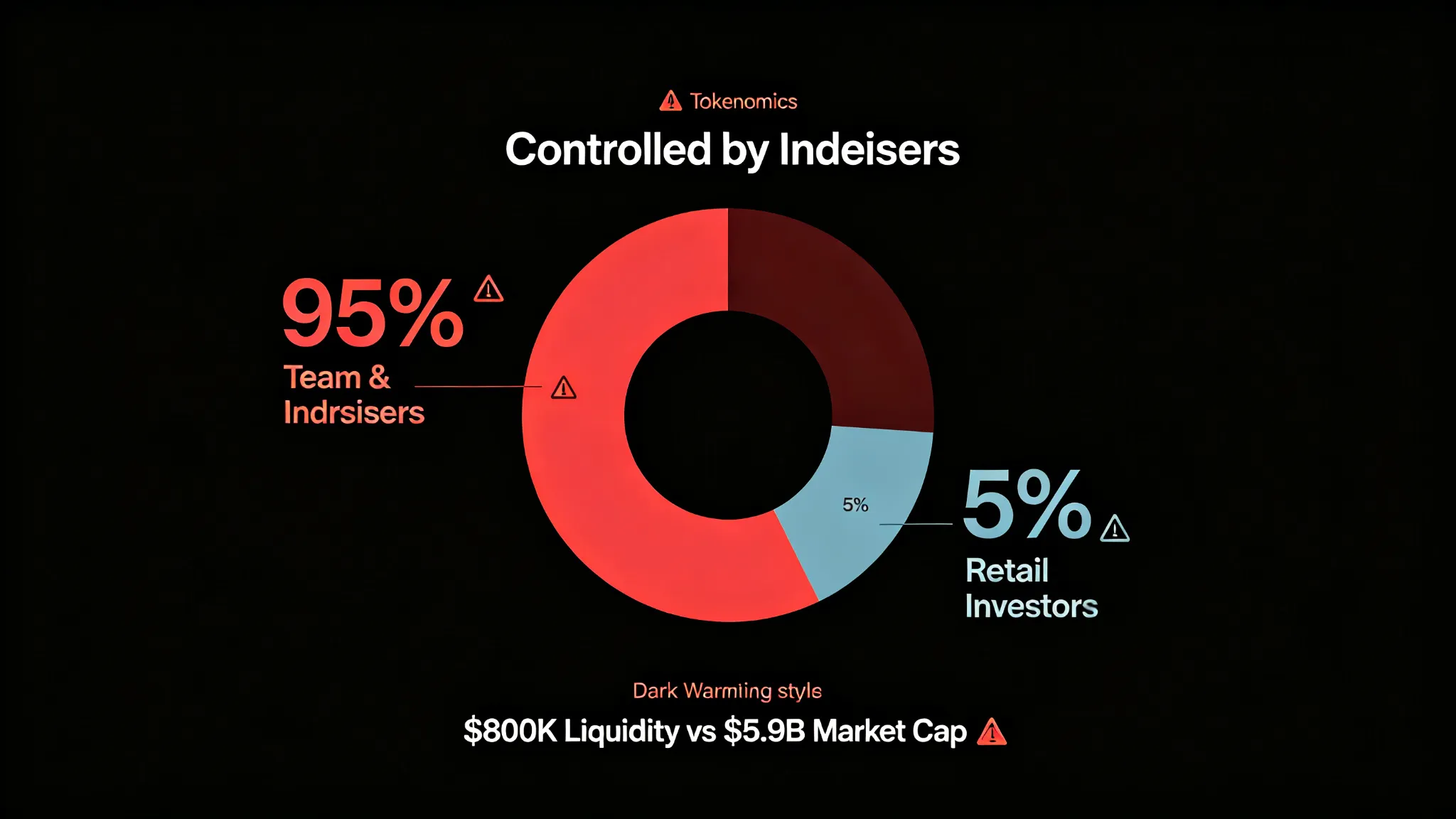
Mid-May brought the first major allegations. On-chain detective ZachXBT published a detailed report accusing LAB of market manipulation. The allegations involved OTC deals, insider supply, and potential centralized exchange manipulation. ZachXBT claimed that CoinGecko, RootData, and CoinMarketCap were all reporting different circulating supplies for LAB, and that the project had failed to provide clear token allocation details. Most critically, he alleged that insiders likely controlled over 95% of the tokens, with retail investors completely unaware of the true circulating supply.
The market reacted immediately with a sharp selloff. However, the decline didn’t last long.
The Denial Phase (Late May–Early June 2026)
Despite the allegations, LAB continued to rally. By early June, LAB printed a fresh all-time high near $27. The concerns weren’t necessarily disproven—speculation simply proved stronger than fear. The token surged past $12, then $15, then $16, climbing to 12th place in global FDV rankings.
The Collapse (July 2026)
Then came the crash. Between July 6 and July 9, 2026, LAB collapsed from $17.68 to $1.05—a cumulative drop of 94% over just three days. The token’s market capitalization fell from approximately $47 billion to about $15 billion. In the past 24 hours alone at one point, LAB lost nearly 70% of its value.
The collapse was triggered by a cascade of events:
-
Insider selling: An address linked to the LAB team deposited 18.4 million LAB tokens into Aster and proceeded to sell them on decentralized exchanges, driving the price from $1.20 to $0.55.
-
Suspicious transfers: An apparent insider address transferred 7.99 million tokens to three new addresses on Aster, causing the price to drop 34% in just 1.5 hours.
-
Liquidity crisis: Despite a market capitalization of $5.9 billion, the total available liquidity across all chains was only about $800,000. This extreme liquidity-to-market-cap ratio meant that the token was highly controlled by a small group of insiders who could manipulate the price at will.
The Aftermath
The collapse of LAB has left thousands of investors holding virtually worthless tokens. The project is now widely viewed as one of the most egregious examples of market manipulation in recent crypto history.
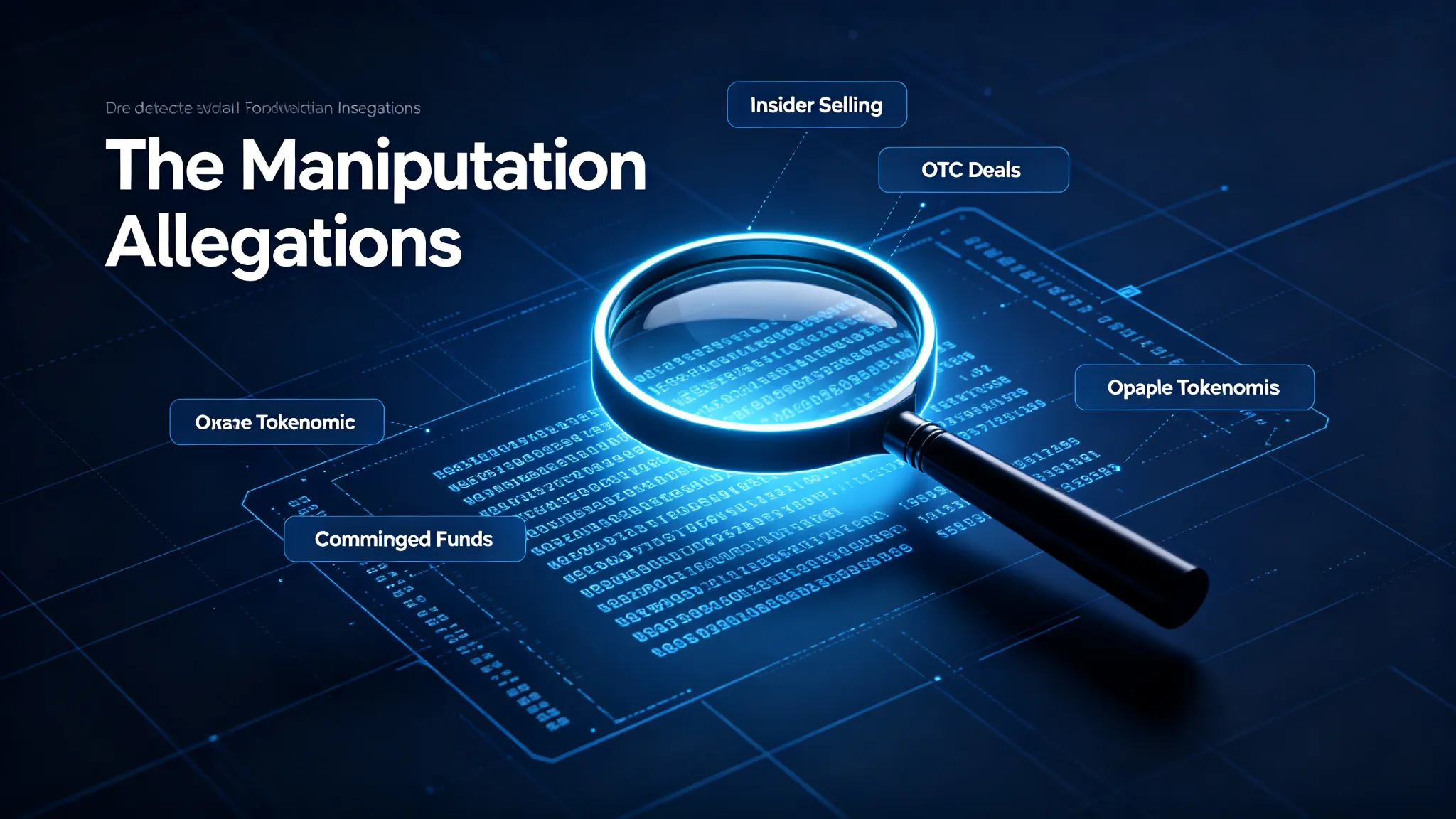
The Manipulation Allegations: Inside the Controversy
The allegations against Coin Lab and LAB are extensive and have come from multiple credible sources. Understanding these allegations is essential to answering the question: Is Coin Lab legit?
ZachXBT’s Investigation
On-chain detective ZachXBT has been the most persistent and detailed critic of LAB. In May 2026, he published a lengthy report exposing the project and its founder. His key findings include:
Opaque Token Distribution: CoinGecko, RootData, and CoinMarketCap all reported different circulating supplies for LAB. The project never provided a clear, verifiable token allocation schedule.
Insider Control: Insiders likely controlled over 95% of the effective circulating supply through complex distribution structures and over-the-counter (OTC) deals. Retail investors had no visibility into the true supply.
Misleading Lock-up Changes: The LAB team unilaterally changed the public sale lock-up period from 3 months to 9 months. This effectively trapped early investors while allowing insiders to retain flexibility.
Special Treatment for Influencers: The team gave special treatment to KOLs and whales, requiring them to post promotional content in exchange for favorable terms.
Commingled Funds: The founder mixed project funds with personal accounts, with large amounts flowing directly into exchange充值 addresses. This meant insiders could sell tokens without retail investors having any awareness.
Moonrock Capital’s Accusations
Simon Dedic, founder of the crypto venture capital firm Moonrock Capital, went even further. He publicly labeled LAB a “laughably obvious scam”.
Dedic alleged that the LAB price chart reveals clear signs of artificial inflation orchestrated by market makers. He claimed that market makers artificially inflated the token’s value to attract retail investors, who then face liquidity extraction once the scheme unwinds.
Most damningly, Dedic accused major centralized exchanges of being complicit in the manipulation. He claimed that such coordinated manipulation would be prohibitively expensive without fee-exempt accounts and direct cooperation from the exchanges themselves.
The Evidence
The evidence supporting these allegations is substantial:
-
Concentrated supply: On-chain data shows that 95% of tokens are concentrated in the hands of the team and insiders. The token distribution has never been transparently disclosed.
-
Extreme price volatility: LAB experienced single-day drops of 50% to 70%, consistent with a highly manipulated market.
-
Low liquidity: Despite a multi-billion dollar market cap, the actual available liquidity was only about $800,000. This meant that the price could be easily manipulated with minimal cost.
-
Exchange behavior: Despite clear evidence of manipulation, major exchanges continued to list and promote LAB, collecting substantial trading fees in the process.
The Tokenomics Problem: Why 95% Control Matters
To understand why LAB was so vulnerable to manipulation, you need to understand its tokenomics. The numbers tell a damning story.
The Supply Problem
LAB has a maximum supply of 1 billion tokens. However, only about 312 million tokens (31%) are currently in circulation. The remaining 688 million tokens (69%) are locked.
This means that the effective circulating supply—the tokens that can actually be traded—is extremely small. When most of the supply is locked and controlled by insiders, those insiders have enormous power over the price.
The Concentration Problem
According to ZachXBT’s investigation, insiders likely control over 95% of the effective circulating supply. This means that the “market” for LAB is essentially a closed ecosystem where a small group of people control almost all the tokens.
When a single group controls 95% of a token’s supply, they can:
-
Manipulate the price at will: By buying and selling among themselves, they can create the appearance of organic trading activity and drive the price up or down as they choose.
-
Create artificial scarcity: By withholding tokens from the market, they can create the illusion of high demand and limited supply.
-
Dump on retail investors: When retail investors have been lured in by the rising price, insiders can sell their tokens at the peak, causing the price to collapse.
The Liquidity Problem
Despite LAB’s multi-billion dollar market capitalization, the total available liquidity across all chains was only about $800,000.
To understand why this matters, consider what happens when you try to sell a significant number of LAB tokens. With only $800,000 of liquidity, selling even a few million dollars worth of tokens would cause the price to collapse. This is why the price dropped 94% in just three days when insiders started selling.
The low liquidity also means that the high market capitalization was essentially an illusion. The “value” of LAB was based on a tiny number of tokens trading at inflated prices, not on genuine demand from a broad base of investors.
The Unlock Problem
The situation is about to get worse. Significant token unlocks are scheduled for July and August 2026. When these unlocks occur, hundreds of millions of additional tokens will enter an already fragile market.
With the current price already unstable, the addition of tens or even hundreds of millions of new tokens could drive the price even lower.
Exchange Complicity: The Role of Centralized Platforms
One of the most troubling aspects of the LAB controversy is the role played by major centralized exchanges. Multiple industry figures have accused exchanges of enabling the manipulation for short-term profit.
The Allegations
Simon Dedic specifically named Gate.io, KuCoin, and Bitget as platforms that he believes are condoning and abetting the manipulation. He claimed that these exchanges were tolerating and supporting fraudulent behavior for short-term profit, causing serious harm to investors’ interests.
ZachXBT went further, pointing the finger at Binance, Bitget, and Gate. He expressed extreme disappointment that these platforms failed to take any action to阻止 the obvious market manipulation. He argued that if these exchanges truly cared about user权益, they would have redistributed the illegal profits from manipulators to受害 retail investors.
The Incentives
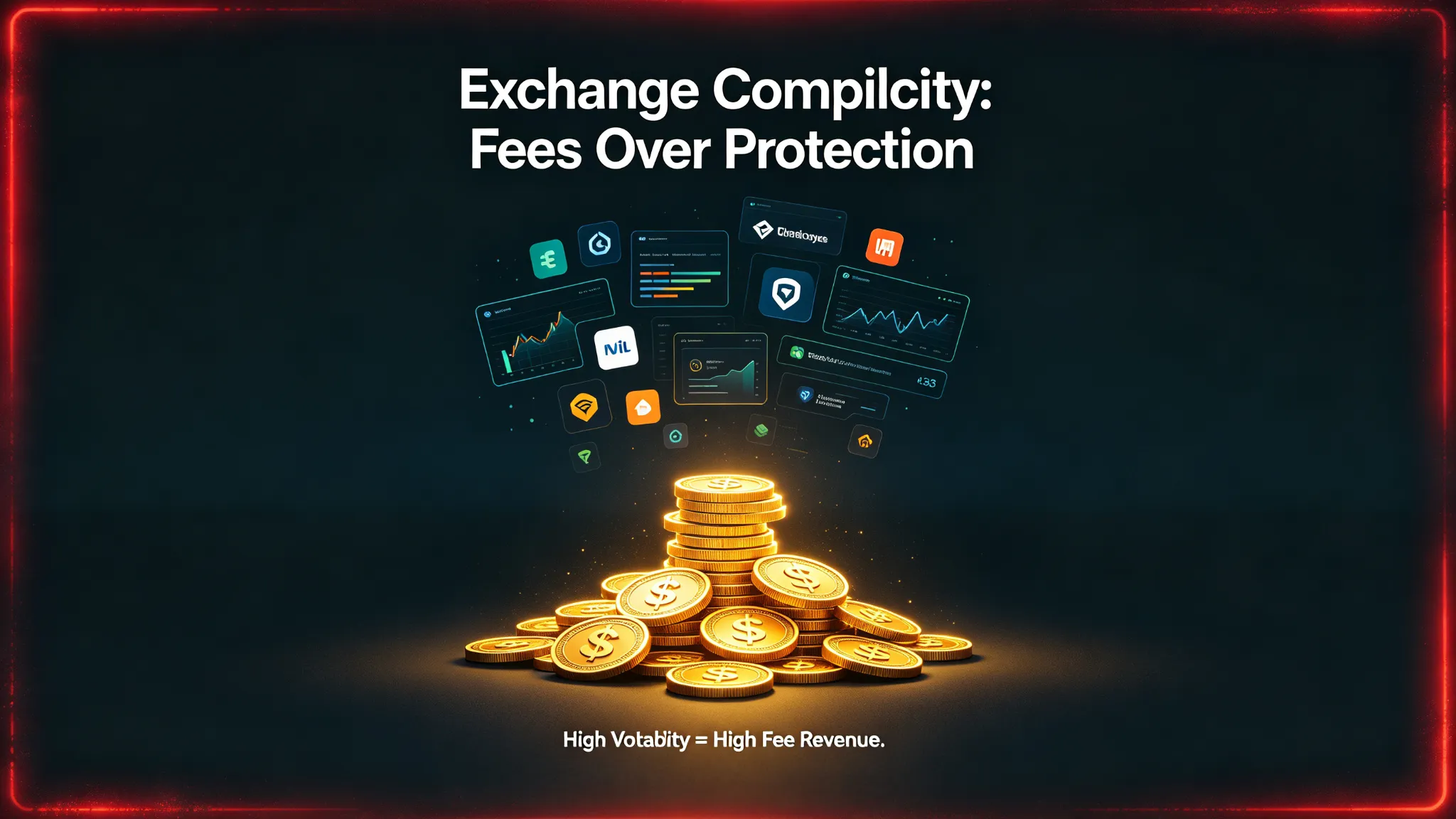
Why would exchanges allow a potentially fraudulent project to continue trading on their platforms? The answer is simple: money.
As one commentator put it, “The exchange has long known that LAB is a controlled scam coin. The on-chain data is clear: 95% of the Chip is concentrated, the team frequently transfers tokens, and they coordinate with market makers to manipulate prices. But they absolutely will not delist, freeze, or prosecute—because LAB is the exchange’s most优质 ‘fee cow'”.
Every trade, every liquidation, and every funding fee payment generates revenue for the exchange. When a token has high volatility and high trading volume, it generates substantial fees regardless of whether the project is legitimate. For exchanges, the incentive is to keep the token listed for as long as possible, extracting as much fee revenue as possible before the project collapses.
The Industry Implications
The LAB controversy has raised serious questions about the due diligence processes at centralized exchanges. If exchanges are willing to list and promote tokens with clear red flags, what does that say about the integrity of the entire ecosystem?
Dedic emphasized that exchanges assisting scam projects harms the entire industry and demonstrates a lack of morality. The incident highlights the need for stricter listing standards and real-time surveillance of trading activity.
Is Coin Lab a Scam? The Evidence
After examining all the evidence, we can now address the central question: Is Coin Lab a scam?
The Case for “Scam”
The evidence supporting the conclusion that LAB is a scam is substantial:
Extreme Token Concentration: Insiders control over 95% of the effective circulating supply. This is not a decentralized project—it is a centrally controlled operation.
Opaque Tokenomics: The project has never provided a clear, verifiable token allocation schedule. Different data sources report different circulating supplies.
Manipulative Practices: The team unilaterally changed lock-up periods, gave special treatment to influencers, and commingled project funds with personal accounts.
Insider Selling: Multiple instances of insider selling have been documented, including a transfer of 18.4 million tokens that caused the price to drop from $1.20 to $0.55.
Exchange Complicity: Major exchanges have continued to list and promote LAB despite clear evidence of manipulation.
No Real Value: Despite claims of being an “AI trading terminal,” the project’s actual utility is minimal compared to its $14 billion valuation.
Industry Condemnation: Prominent figures including ZachXBT and Simon Dedic have publicly labeled LAB a scam.
The Case Against “Scam”
There are a few arguments that could be made in LAB’s defense:
It Has a Working Product: The LAB Terminal mobile application actually launched. This is more than many failed crypto projects can claim.
It Has Institutional Backing: The project secured investment from respected firms including Animoca, OKX Ventures, and GSR. These firms conducted due diligence (or at least, they should have).
Not All Manipulation Is Fraud: Some might argue that market manipulation is a separate issue from outright fraud. A project could be manipulated by bad actors even if the project itself is legitimate.
The Verdict
While reasonable people can disagree about the precise legal definition of “scam,” the evidence overwhelmingly supports the conclusion that LAB is a project designed to extract value from retail investors rather than create genuine value.
As one commentator succinctly put it: “LAB itself is a naked scam; the exchanges knowingly and intentionally enable it, making them核心 accomplices in this harvest”.
The pattern is clear: create a token with a compelling narrative, concentrate supply among insiders, list on major exchanges, drive up the price through coordinated manipulation, attract retail investors with FOMO, and then dump on them when the price is high.
Whether you call this a “scam,” a “pump and dump,” or “market manipulation,” the outcome for retail investors is the same: devastating losses.
What Can LAB Coin Bring to Investors? The Realistic Answer
Given everything we have discussed, what can LAB Coin realistically bring to investors in 2026?
The Short Answer: Very Little
For most investors, LAB Coin is likely to bring losses rather than gains. The project’s fundamentals are weak, its tokenomics are deeply problematic, and it faces ongoing allegations of manipulation that are unlikely to be resolved in investors’ favor.
The Potential Upside
To be fair, there are scenarios where LAB could potentially deliver returns:
Short-Term Speculation: LAB remains a highly volatile asset. For skilled traders who can time the market perfectly, there may be opportunities for short-term gains. However, this is extremely risky and not suitable for most investors.
Turnaround Scenario: If the project were to address its tokenomics issues, improve transparency, and deliver on its product promises, it could potentially recover some of its lost value. However, this would require a complete overhaul of the project’s governance and tokenomics—which seems unlikely given the current team’s track record.
Market Sentiment Shift: If the broader crypto market enters a new bull phase, LAB could benefit from rising tide that lifts all boats. However, even in a bull market, fundamentally weak projects tend to underperform.
The Realistic Outcome
The most likely outcome for LAB is continued decline. The project faces:
-
Ongoing selling pressure from token unlocks scheduled for July and August 2026
-
Regulatory scrutiny if manipulation allegations attract the attention of regulators
-
Loss of confidence from retail investors who have been burned by the collapse
-
Potential delisting from exchanges if regulatory pressure increases
As ZachXBT concluded: “I do not encourage trading LAB”.
Key Risks of Investing in LAB
For anyone still considering investing in LAB, it is essential to understand the significant risks involved.
1. Extreme Concentration Risk
With over 95% of the effective circulating supply controlled by insiders, retail investors are essentially trading against a group that has complete control over the market. This is not a level playing field—it is a rigged game.
2. Liquidity Risk
Despite a multi-billion dollar market cap, the actual available liquidity is only about $800,000. This means that even a relatively small sell order could cause the price to collapse. If you need to sell your LAB tokens in a hurry, you may not be able to do so at a reasonable price.
3. Unlock Risk
Significant token unlocks are scheduled for July and August 2026. When these unlocks occur, hundreds of millions of new tokens will enter the market, potentially driving the price much lower.
4. Regulatory Risk
If the manipulation allegations attract the attention of regulators, LAB could face investigations, fines, or even delistings. US regulators have been increasingly aggressive in cracking down on market manipulation in crypto, and a token with 95% insider control would be a classic enforcement target.
5. Reputational Risk
LAB’s reputation has been severely damaged by the manipulation allegations. Even if the project survives, it will struggle to attract new investors and rebuild trust.
6. Team Risk
The LAB team has demonstrated a willingness to change lock-up periods unilaterally, commingle funds, and give special treatment to insiders. There is no reason to believe they will act in the interests of retail investors going forward.
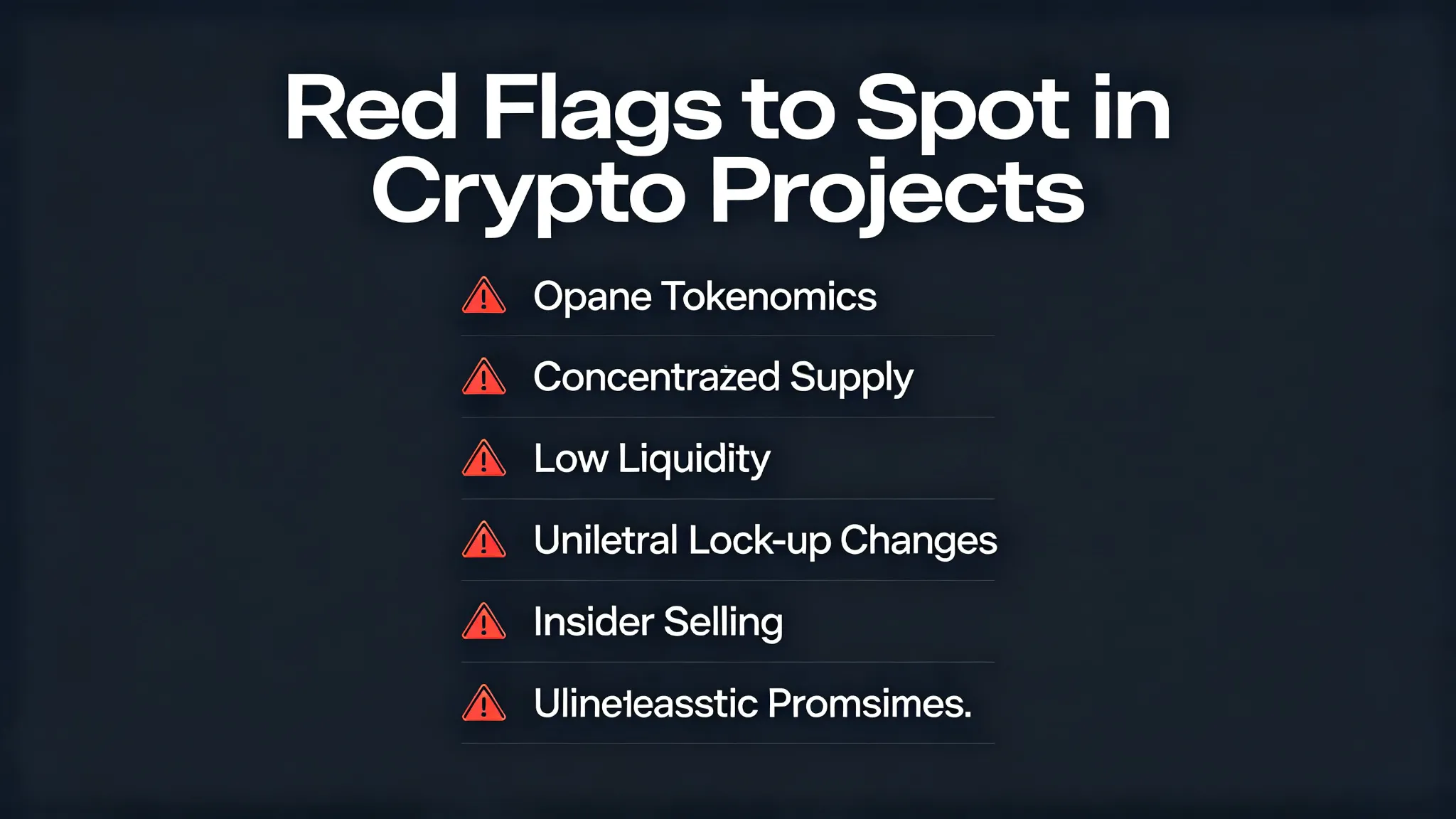
How to Spot Similar Red Flags in Crypto Projects?
The LAB controversy offers valuable lessons for identifying problematic crypto projects. Here are the red flags to watch for.
1. Opaque Tokenomics
If a project cannot or will not provide a clear, verifiable token allocation schedule, treat it with extreme caution. LAB never provided clear token allocation details, and different data sources reported different circulating supplies.
2. Extreme Token Concentration
If a small number of wallets control a large percentage of the supply, the project is vulnerable to manipulation. In LAB’s case, insiders controlled over 95% of the effective circulating supply.
3. Low Liquidity Relative to Market Cap
If a project has a multi-billion dollar market cap but only a few hundred thousand dollars in liquidity, the valuation is an illusion. LAB had a $5.9 billion market cap but only $800,000 in liquidity.
4. Unilateral Changes to Lock-up Terms
If a team changes lock-up periods without community consent, they are not acting in good faith. LAB unilaterally changed the public sale lock-up from 3 months to 9 months.
5. Commingled Funds
If a team mixes project funds with personal accounts, it is a major red flag. LAB’s founder commingled project funds with personal accounts.
6. Insider Selling
If team members or early investors are selling large amounts of tokens, it suggests they lack confidence in the project’s future. LAB had multiple documented instances of insider selling.
7. Exchange Reluctance to Delist
If exchanges continue to list a project despite clear evidence of manipulation, it suggests they are prioritizing fees over investor protection. Major exchanges continued to list LAB despite the allegations.
8. Unrealistic Promises
If a project promises revolutionary technology with minimal evidence of actual development, be skeptical. LAB’s “AI trading terminal” narrative was largely unsubstantiated.
Frequently Asked Questions
What is Coin Lab?
Coin Lab is the organization behind the LAB cryptocurrency token. It operates LAB Terminal, a multi-chain trading platform focused on AI-driven trading.
What is LAB Coin?
LAB is the native token of the Coin Lab ecosystem. It is designed to facilitate transactions, governance, and ecosystem participation on the LAB Terminal platform.
Is Coin Lab legit?
Based on the available evidence, Coin Lab should be treated with extreme caution. The project has been accused of market manipulation by multiple credible sources, including on-chain detective ZachXBT and Moonrock Capital founder Simon Dedic. Insiders are alleged to control over 95% of the effective circulating supply.
Is LAB a scam?
While the precise legal definition is debatable, the evidence overwhelmingly supports the conclusion that LAB is a project designed to extract value from retail investors. Simon Dedic called it a “laughably obvious scam”, and ZachXBT has published extensive evidence of manipulation.
What happened to LAB’s price?
LAB collapsed from over $27 to below $1 in July 2026—a drop of more than 96%. The collapse was triggered by insider selling, suspicious transfers, and a liquidity crisis.
Can I still buy LAB?
Technically, LAB remains tradable on some exchanges. However, given the extreme risks—including concentration risk, liquidity risk, and unlock risk—buying LAB would be extremely speculative and risky.
Should I invest in LAB?
No. LAB carries extreme risks with limited potential upside. The project faces ongoing selling pressure, regulatory scrutiny, and a loss of investor confidence. Most investors should avoid LAB entirely.
What are the risks of investing in LAB?
The risks include extreme concentration (95% insider control), low liquidity ($800,000 vs. $5.9B market cap), upcoming token unlocks, regulatory scrutiny, and a team with a demonstrated track record of questionable practices.
Why did exchanges continue to list LAB despite the allegations?
Exchanges profit from trading fees. LAB’s high volatility and high trading volume generated substantial fees, giving exchanges a financial incentive to keep the token listed despite the allegations.
What can LAB Coin bring to investors?
Realistically, LAB is likely to bring losses rather than gains. The project’s fundamentals are weak, its tokenomics are problematic, and it faces ongoing allegations of manipulation.
What should I learn from the LAB controversy?
The LAB controversy teaches several important lessons: always verify tokenomics, be wary of projects with concentrated supply, treat low liquidity as a red flag, and remember that exchanges are not your friends—they profit from your trades regardless of whether you win or lose.
Final Verdict: The Bottom Line on Coin Lab
After examining all the evidence, we can offer a definitive conclusion: Coin Lab and LAB Coin should be treated with extreme caution.
What It Was?
Coin Lab was presented as an ambitious AI-powered trading platform with backing from respected venture capital firms. The project achieved a $14 billion valuation, secured listings on major exchanges, and attracted thousands of retail investors.
What It Actually Is
The evidence suggests that LAB is a heavily manipulated token with extreme concentration of supply among insiders. The project’s tokenomics are opaque, its liquidity is dangerously low, and its team has demonstrated a willingness to change terms unilaterally and commingle funds.
The Verdict
Coin Lab is not a legitimate investment opportunity. The project exhibits all the hallmarks of a pump-and-dump scheme: concentrated supply, opaque tokenomics, insider selling, and exchange complicity.
As ZachXBT concluded: “I do not encourage trading LAB”. Simon Dedic called it a “laughably obvious scam”. The evidence supports these assessments.
The LAB controversy offers several important lessons for cryptocurrency investors:
-
Tokenomics matter more than narratives. A compelling story is not a substitute for sound tokenomics. If a project cannot provide clear, verifiable token allocation details, walk away.
-
Concentration is a red flag. If a small number of wallets control a large percentage of the supply, the project is vulnerable to manipulation.
-
Liquidity reveals the truth. A multi-billion dollar market cap means nothing if there is only a few hundred thousand dollars of liquidity. The “value” is an illusion.
-
Exchanges are not your friends. Exchanges profit from trading fees regardless of whether you win or lose. They have a financial incentive to keep trading volume high, even if that means listing problematic projects.
-
Do your own research. Never invest based solely on hype, influencer endorsements, or FOMO. Conduct your own research and make informed decisions.
-
Be prepared to lose everything. High-risk investments like LAB can and do go to zero. Only invest what you can afford to lose entirely.
The Final Word
Coin Lab is a cautionary tale—a project that promised revolutionary technology and delivered manipulation instead. For investors, the lesson is clear: when a project’s tokenomics don’t add up, when the supply is concentrated among insiders, and when the liquidity doesn’t match the valuation, the smart move is to walk away.
LAB may have reached a $14 billion valuation at its peak, but that valuation was built on a foundation of sand. When the tide went out, the illusion was revealed for what it was: a carefully constructed trap for retail investors.
Don’t be the next person caught in it.