The Complete 2026 Guide to the Meme Coin That Time Forgot
The cryptocurrency market has evolved dramatically since Bitcoin first emerged in 2009. What began as a niche experiment in digital money has grown into a multi-trillion-dollar ecosystem encompassing everything from decentralized finance to non-fungible tokens. But perhaps no segment of the crypto world is as controversial, as volatile, or as culturally significant as the meme coin sector.
Meme coins are cryptocurrencies inspired by internet culture, jokes, or trends. Unlike Bitcoin or Ethereum, which were designed to solve technical problems or enable new forms of digital interaction, meme coins are typically created quickly with minimal technical innovation. Their value is driven primarily by community engagement, marketing, and speculation rather than fundamental utility.
The meme coin phenomenon reached its zenith in 2021. Dogecoin, the original meme coin, had already established itself as a cultural force, but it was Shiba Inu that truly captured the world’s imagination. Launched in August 2020 as an experiment in decentralized community building, SHIB went on to achieve a market capitalization of over $40 billion at its peak. The success of Shiba Inu inspired an avalanche of imitators. Suddenly, every animal, every pop culture reference, and every internet meme seemed to have its own token.
Among the hundreds—if not thousands—of meme coins that emerged during this period was Wolver Inu (WOLVERINU). It promised to combine the ferocity of Marvel’s Wolverine with the viral appeal of the “Inu” dog coin trend. At its peak, it attracted over 14,000 holders and secured listings on multiple major exchanges.
But as we approach the second half of 2026, the question remains: What is Wolver Inu today? Is it a dead project, a scam, or simply a forgotten relic of a bygone crypto era?
This comprehensive guide will answer all those questions and more.
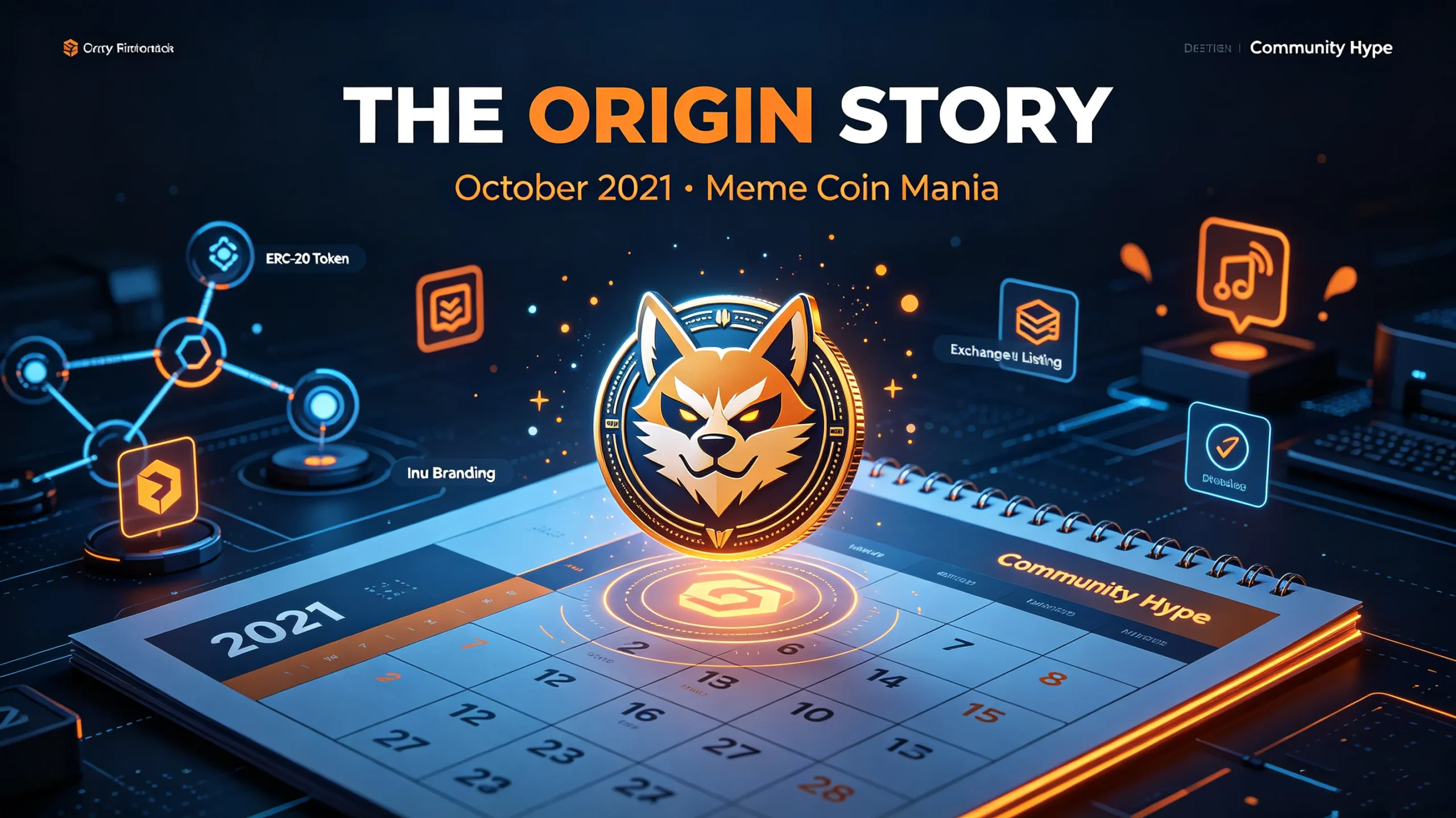
What Is Wolver Inu? The Origin Story
Wolver Inu (WOLVERINU) is an ERC-20 meme coin on the Ethereum blockchain that combines Marvel’s Wolverine character with the Japanese “Inu” (dog) meme coin branding that dominated cryptocurrency in 2021. The concept was simple: take the instantly recognizable Wolverine brand, combine it with the Shiba Inu-style dog coin hype, and build a community-driven token around it.
The project launched on October 23, 2021, during the peak of the meme coin mania that followed Dogecoin and Shiba Inu’s historic rallies. It was founded by someone using the name “Ronald” (listed as CEO), operating out of London. The team claimed approximately 22 people spanning Solidity developers, graphic designers, game creators, and crypto veterans.
Wolver Inu positioned itself as “the first Marvel-inspired ERC20 token”. The developers promised a complete ecosystem that would go far beyond simple speculation. They envisioned a play-to-earn (P2E) game called X-INU, an NFT marketplace, a comic series, and various other utilities that would give the token lasting value.
However, it is crucial to understand one fundamental fact from the outset: Wolver Inu is a fan-made crypto token with no legal ties to Disney, Marvel, or any game studio. The project had no affiliation with Marvel Entertainment, and the developers were essentially borrowing intellectual property to build brand recognition.
At its launch, Wolver Inu generated significant buzz. Within its first two weeks, it gained massive traction and was quickly listed on major platforms including Uniswap, ShibaSwap, SushiSwap, FegEx, Hotbit, LBank, and BitMart. Press releases were distributed through Newsfile Corp to outlets including Yahoo Finance, Nasdaq, and Digital Journal. The community was buzzing with YouTube videos, AMAs (Ask Me Anything sessions), and daily reward contests.
For a brief moment, Wolver Inu looked like it might be one of the success stories of the meme coin boom.
What Wolver Inu Offered Investors
Wolver Inu didn’t just want to be a meme—it promised a whole “ecosystem”. The developers pitched several exciting ideas to get investors on board.
The X-INU Game
The centerpiece of the Wolver Inu vision was X-INU, a play-to-earn fighting game. Players would reportedly be able to earn “Adamantium” tokens through gameplay, collect exclusive NFTs, and participate in a thriving in-game economy. The game was set for a 2022 release.
Passive Income Through Reflections
Like many meme coins of the era, Wolver Inu implemented a reflection mechanism. A 10% tax on every trade meant that 1% automatically went into the wallets of existing holders. This created an incentive to hold the token—your balance would grow over time simply by doing nothing.
Comics and NFTs
There were ambitious plans for Wolverine-themed digital comic books and exclusive NFT drops. The idea was to build a multimedia franchise around the token, creating multiple revenue streams and engagement opportunities for the community.
A Strong Community Focus
The developers promised a “perfect formula” for success, backed by a dedicated team of moderators and a roadmap that looked like a dream for any investor. The project emphasized community engagement, with regular AMAs, contests, and promotional campaigns designed to build and maintain momentum.
These promises were compelling enough to attract thousands of investors. But as we now know, almost none of them materialized.
Tokenomics: Understanding the Numbers
Tokenomics—the economic model of a cryptocurrency—is one of the most important factors to understand before investing. Wolver Inu’s tokenomics were typical of the 2021 meme coin era, featuring a reflection-based tax model.
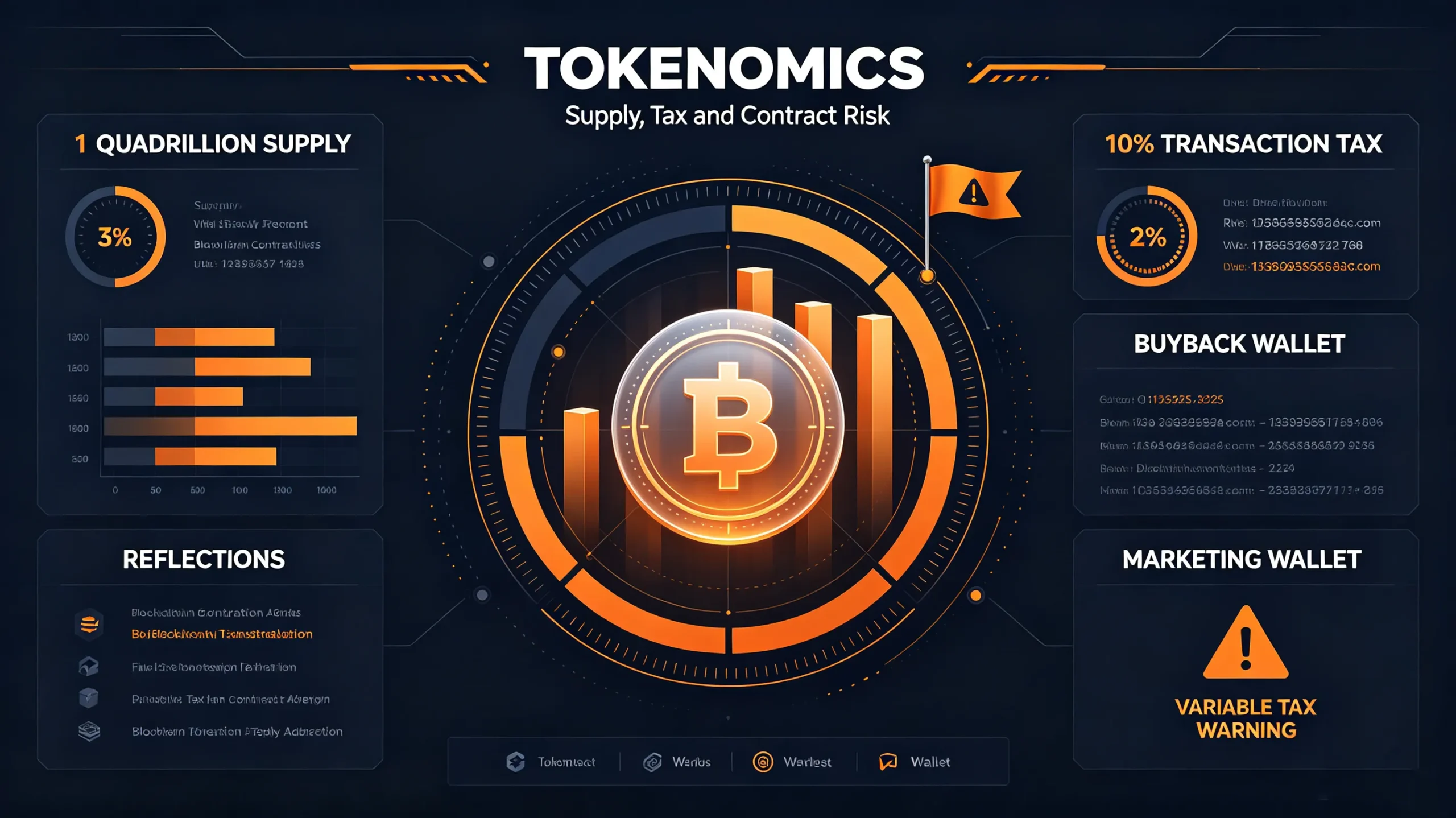
Key Tokenomics Details
| Attribute | Details |
|---|---|
| Token Name | Wolver Inu |
| Ticker | WOLVERINU |
| Blockchain | Ethereum (ERC-20) |
| Launch Date | October 23, 2021 |
| Total Supply | 1 quintillion (1,000,000,000,000,000,000) |
| Circulating Supply | Not reliably reported |
| Transaction Tax | 10% total per buy/sell |
| Reflections (to holders) | 1% per transaction |
| Buyback Wallet | 4% per transaction |
| Marketing Wallet | 5% per transaction |
Understanding the Tax Structure
The 10% total transaction tax meant that every buy or sell lost 10% off the top:
-
1% was redistributed to existing holders as “reflections,” meaning your token count grew over time if you held
-
4% went to a buyback wallet intended for periodic burns (destroying tokens to reduce supply)
-
5% went to a marketing wallet for promotional activities
Contract Migration
The original contract address was 0xca7b3ba66556C4Da2E2A9AFeF9C64F909A59430a. The project later migrated to a new contract at 0x7cc97bf17c5adabe25f9d19d15a1ec8a1ad65f14. This migration caused significant confusion among holders and created challenges for tracking the token’s true supply and value.
CoinGecko has flagged the contract with a variable tax function warning, indicating that the tax mechanism may not be fully transparent or predictable.
The Rise: How Wolver Inu Gained Traction
Wolver Inu’s initial trajectory was impressive by almost any measure. The project launched during the peak of the meme coin frenzy, and it benefited from the perfect storm of market conditions and cultural timing.
Rapid Exchange Listings
Within two weeks of launching, Wolver Inu secured listings on Uniswap, ShibaSwap, SushiSwap, FegEx, Hotbit, LBank, and BitMart. This was a remarkable achievement for a new token and demonstrated significant community support and developer effort.
Growing Holder Base
The token reached 14,000+ token holders in its first month. This rapid growth suggested genuine interest and excitement around the project.
Media Attention
Press releases were distributed through Newsfile Corp to outlets including Yahoo Finance, Nasdaq, and Digital Journal. This mainstream media coverage helped legitimize the project in the eyes of retail investors.
Community Engagement
The Wolver Inu community was active and engaged. YouTube videos, AMAs, and daily reward contests kept the momentum going. The energy was electric, and many investors believed they were getting in early on the next big thing.
The Appeal
What made Wolver Inu appealing to investors? Several factors:
-
Brand Recognition: Wolverine is one of the most recognizable characters in popular culture. Associating a token with such a well-known brand was a powerful marketing tool.
-
The Inu Trend: In 2021, “Inu” coins were everywhere. Shiba Inu had made early investors wealthy, and everyone was looking for the next SHIB.
-
Low Entry Price: With a supply of 1 quintillion, Wolver Inu tokens were incredibly cheap. Investors could buy millions of tokens for a few dollars, creating the psychological illusion of massive potential upside.
-
Ambitious Roadmap: The promised ecosystem—game, comics, NFTs—gave the project the appearance of legitimacy and long-term potential.
The Fall: What Went Wrong
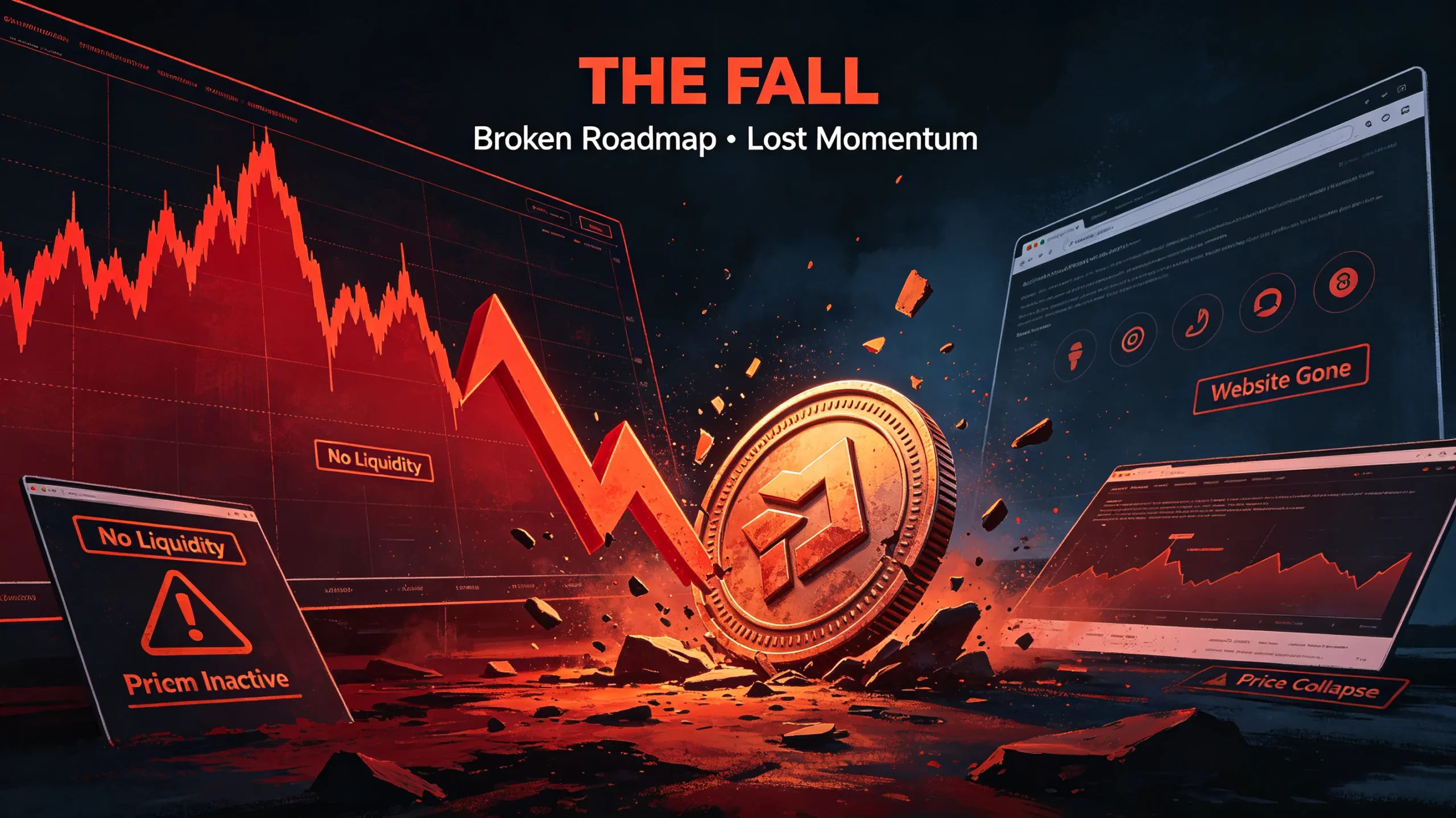
Despite its promising start, Wolver Inu’s trajectory reversed dramatically. The token has dropped over 90% from its all-time high. Daily trading volume sits under $10 on most platforms. The official website has been taken over by an unrelated gambling spam site. The promised P2E game, NFT marketplace, and comic series never materialized.
The Collapse: A Timeline of Failure
The Website Disappeared: The original wolverinu.com domain is no longer active. This is usually the first sign that a project has been abandoned. Today, it redirects to unrelated spam or gambling sites.
Zero Trading Activity: Most reputable exchanges have removed the coin. Even if you have tokens in your wallet, finding someone to buy them from you is nearly impossible. The “value” you see in your wallet might not be real if there is no liquidity to cash out.
Broken Roadmap: The promised fighting game and comic books never actually launched. Like many meme coins from that era, the “utility” never moved past the marketing phase.
Contract Confusion: The project’s attempt to migrate to a “V2” version of their code caused significant confusion. Today, major tracking sites like CoinMarketCap show the project as having “insufficient data” or effectively a $0 market cap.
Loss of Community: The active community that once buzzed with excitement has largely dispersed. The Telegram groups and Twitter accounts that once drove the project’s growth have fallen silent.
Why Did Wolver Inu Fail?
Several factors contributed to Wolver Inu’s demise:
-
The End of the Meme Coin Mania: By mid-2022, the broader crypto market had entered a bear phase. The speculative frenzy that had fueled meme coins subsided, and many projects lost their momentum.
-
Failure to Deliver: The developers made ambitious promises but failed to execute. When the game, comics, and NFTs didn’t materialize, investor confidence evaporated.
-
Competition: Hundreds of new meme coins were launching every week. Wolver Inu faced intense competition for attention and investment.
-
Lack of Sustainable Value: Meme coins ultimately depend on continuous hype to maintain their value. Without real utility or a constant stream of new investors, the price inevitably collapses.
-
Team Issues: The anonymous or pseudonymous nature of the team made it difficult for investors to hold anyone accountable when promises weren’t kept.
Wolver Inu in 2026: The Current Reality
As of mid-2026, the situation for Wolver Inu has deteriorated significantly. Here is the unvarnished truth about where the project stands today.
Price and Market Data
The live price of Wolver Inu (WOLVERINU) is effectively zero. One Wolver Inu coin can be purchased for approximately $0.000000000001112. The current market capitalization stands at approximately $24,109, with a 24-hour trading volume of around $42.
However, these figures should be treated with extreme skepticism. The low trading volume means that even a small transaction can significantly impact the reported price. There is effectively no liquid market for the token.
Exchange Availability
While Wolver Inu technically remains tradable on Uniswap, the 24-hour trading volume is approximately $8.79. This minuscule volume indicates that there is virtually no active interest in the token. Most major centralized exchanges have delisted it.
The Website
The official project website has been taken over by an unrelated gambling spam site. This is a clear sign that the project has been abandoned.
The Team
There is no evidence of any active development or community management. The team appears to have moved on, leaving the project to wither.
What Does This Mean for Holders?
If you hold Wolver Inu tokens, you effectively hold a worthless asset. The liquidity is so thin that selling your tokens—even if you could find a buyer—would likely push the price down to zero. The project is widely considered inactive or abandoned, with minimal trading activity and little to no ongoing updates.
Today, Wolver Inu is widely considered inactive or abandoned, serving as a clear example of the risks associated with meme coins—where early hype can disappear just as fast as it appeared.
Is Wolver Inu a Scam?
This is perhaps the most important question for anyone considering Wolver Inu in 2026. The answer is nuanced.
Was Wolver Inu Intentionally Fraudulent?
There is no definitive evidence that Wolver Inu was created as an intentional scam in the traditional sense—a “rug pull” where developers deliberately steal investor funds. However, the project exhibited many characteristics associated with high-risk, potentially fraudulent schemes.
Red Flags
Several red flags should have given investors pause:
Anonymous Team: The project was founded by someone using the name “Ronald,” with no verifiable identity. The team claimed approximately 22 people, but these claims were never substantiated. Many meme tokens have anonymous teams, which increases the chance of fraud or project abandonment.
Unrealistic Promises: The project promised a P2E game, NFTs, comics, and a full ecosystem—all within an extremely short timeframe. These promises were unrealistic and never materialized.
Variable Tax Function: CoinGecko flagged the contract with a variable tax function warning, indicating potential manipulation or lack of transparency.
Website Abandonment: The original website now redirects to gambling spam. This is a clear sign that whoever controls the domain has moved on.
The Verdict: Scam or Failed Project?
Wolver Inu is best understood as a failed project rather than an outright scam. The developers may have genuinely believed they could deliver on their promises, but they ultimately failed to execute. However, the distinction is somewhat academic—the outcome for investors is the same.
As one analysis puts it, Wolver Inu serves as “a clear example of the risks associated with meme coins—where early hype can disappear just as fast as it appeared”.
The simple answer is that Wolver Inu does not have the fundamentals that typically support a long-term investment thesis. It has no active team, no products, no revenue, no institutional interest, and no roadmap. What it has is a token contract that still exists on Ethereum and the occasional curiosity from new crypto users who encounter it in search results.
The Wolverine Confusion: Crypto vs. Console
One of the most important things to understand about Wolver Inu is that it has absolutely nothing to do with the official Marvel’s Wolverine video game.
As we approach the end of 2026, fans are very excited about Marvel’s Wolverine AAA video game coming to PlayStation 5, developed by Insomniac Games. That is a multi-million dollar professional project with no connection to cryptocurrency.
The Confusion
Many people searching for information about the Marvel’s Wolverine game encounter Wolver Inu in their search results. This has created significant confusion, with some mistakenly believing that Wolver Inu is somehow affiliated with the game or Marvel Entertainment.
The Reality
Wolver Inu is a fan-made crypto token with no legal ties to Disney, Marvel, or any game studio. The project essentially borrowed intellectual property to build brand recognition, but it had no permission or affiliation.
The Lesson
This confusion highlights an important principle for crypto investors: always verify the legitimacy and affiliations of any project before investing. The presence of a recognizable brand or character does not mean the project is endorsed or affiliated with that brand.
Key Risks of Investing in Wolver Inu
For anyone still considering Wolver Inu in 2026, it is essential to understand the significant risks involved.
1. Extreme Speculation
Wolver Inu’s value is not based on revenue, technology, or adoption. Instead, it depends entirely on market hype and social sentiment. This makes it unpredictable and unstable.
2. Rug Pull Risk
A rug pull happens when developers remove liquidity, investors cannot sell, and the token price collapses to zero. This is one of the most common risks in meme coins. While there is no evidence of a rug pull in Wolver Inu’s case, the risk was always present.
3. Lack of Transparency
Many meme tokens have anonymous teams and provide little verifiable information. This increases the chance of fraud and project abandonment. Wolver Inu’s team was never fully transparent.
4. Pump and Dump Schemes
The typical cycle of a meme coin involves an initial launch, accumulation by early buyers, marketing hype, price spikes, early investors selling, and then a price crash. Late buyers almost always lose money.
5. Illiquidity
Even if you hold Wolver Inu tokens, you may not be able to sell them. The trading volume is so low that there may be no buyers. The “value” you see in your wallet might not be real if there is no liquidity to cash out.
6. Regulatory Risk
Meme coins have attracted increasing regulatory scrutiny. The SEC has taken action against several projects for operating as unregistered securities. Wolver Inu could potentially face similar risks.
How to Spot a Dead Meme Coin?
Wolver Inu serves as a textbook case study in identifying dead or dying meme coins. Here are the warning signs that investors should watch for.
The Website Is Gone
When a project’s official website goes offline or is taken over by unrelated content, it is a clear sign that the project has been abandoned. This is one of the first and most obvious red flags.
Zero Trading Volume
When trading volume drops to virtually nothing, it indicates that there is no active interest in the token. Even if you have tokens, you may not be able to sell them.
No Active Development
Check the project’s GitHub, social media, and community channels. If there has been no activity for months or years, the project is likely abandoned.
Broken Roadmap
When promised features, products, or milestones never materialize, it indicates that the team either lacks the capability or the intention to deliver.
Community Dispersal
An active community is essential for a meme coin’s survival. When the Telegram groups, Discord servers, and Twitter accounts fall silent, the project is effectively dead.
Contract Issues
If the smart contract has been flagged for suspicious code, variable taxes, or other issues, it is a major red flag.
No Clear Utility
If the token has no clear use case or value proposition beyond speculation, it is unlikely to survive long-term.

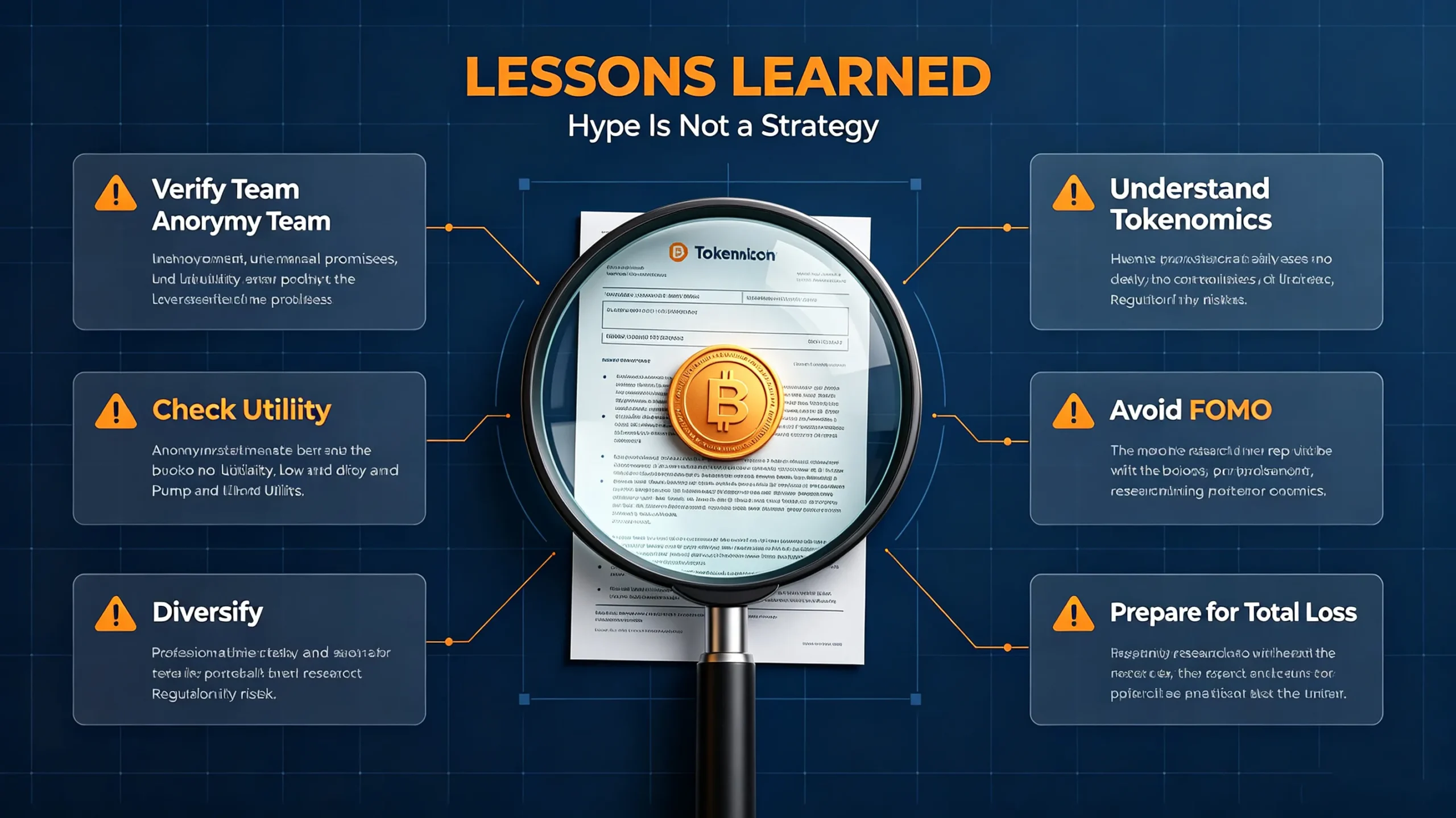
Lessons from Wolver Inu: What Investors Should Learn
The story of Wolver Inu offers valuable lessons for any cryptocurrency investor.
1. Hype Is Not a Strategy
Meme coins are driven by hype and speculation, not fundamentals. While hype can drive prices up in the short term, it cannot sustain value over the long term.
2. Verify Team Credibility
Before investing in any project, research the team. Are their identities known? Do they have a track record of successful projects? Anonymous teams should be treated with extreme caution.
3. Check for Real Utility
Does the token solve a real problem or enable a useful function? Or is it purely speculative? Projects with real utility are more likely to survive long-term.
4. Be Wary of Unrealistic Promises
If a project promises a game, NFTs, and a full ecosystem within an unrealistic timeframe, be skeptical. These promises often fail to materialize.
5. Understand Tokenomics
Before investing, understand the tokenomics. How is the supply distributed? What are the taxes? Who controls the contract? These factors can significantly impact your investment.
6. Diversify
Never put all your money into a single project—especially a high-risk meme coin. Diversification is essential for managing risk.
7. Do Your Own Research
Never rely solely on social media hype or influencer endorsements. Conduct your own research and make informed decisions.
8. Be Prepared to Lose Everything
Meme coins are among the highest-risk investments in crypto. Only invest what you can afford to lose entirely.
Frequently Asked Questions
What is Wolver Inu?
Wolver Inu (WOLVERINU) is an ERC-20 meme coin on the Ethereum blockchain that combined Marvel’s Wolverine character with the Japanese “Inu” dog coin branding. It launched in October 2021 during the peak of the meme coin mania.
Is Wolver Inu still active in 2026?
No. Wolver Inu is widely considered inactive or abandoned. The official website has been taken over by gambling spam, trading volume is effectively zero, and there is no active development.
Is Wolver Inu a scam?
Wolver Inu is best understood as a failed project rather than an outright scam. There is no definitive evidence of intentional fraud, but the project exhibited many red flags and ultimately failed to deliver on its promises.
Can I still buy Wolver Inu?
Technically, Wolver Inu remains tradable on some decentralized exchanges like Uniswap. However, trading volume is minuscule (under $10 per day), and there is effectively no liquid market. Buying would be extremely risky.
Can I sell my Wolver Inu tokens?
Selling may be difficult or impossible due to extremely low liquidity. Even if you find a buyer, selling could push the price to zero.
Is Wolver Inu connected to Marvel’s Wolverine game?
No. Wolver Inu has no legal ties to Disney, Marvel, or any game studio. It is a fan-made token that borrowed intellectual property.
What happened to the X-INU game?
The promised play-to-earn game never launched. Like many aspects of the project, it never moved past the marketing phase.
How much did Wolver Inu cost at its peak?
Wolver Inu reached a price of approximately $0.000000000228 in April 2024. It has since dropped over 90% from its all-time high.
Should I invest in Wolver Inu?
No. Wolver Inu is a dead project with no active development, no liquidity, and no future. Investing would be extremely risky with virtually no chance of return.
What are the risks of Wolver Inu?
The risks include extreme speculation, lack of transparency, potential rug pull, pump and dump schemes, illiquidity, and regulatory risk.
Final Verdict: The Bottom Line on Wolver Inu
Wolver Inu is a cautionary tale—a relic of the 2021 meme coin gold rush that promised everything and delivered nothing.
What It Was?
Wolver Inu was a product of the 2021 meme coin gold rush. It was an ambitious project that combined the recognizability of Wolverine with the viral appeal of dog coins. At its peak, it attracted over 14,000 holders, secured listings on multiple exchanges, and generated significant media attention.
What It Became?
Today, Wolver Inu is a dead project. The website is gone. The trading volume is effectively zero. The promised game, comics, and NFTs never materialized. The team has moved on. The token serves as a stark reminder of the risks inherent in meme coin investing.
The Lessons
Wolver Inu teaches us several important lessons:
-
Hype is temporary. The excitement that drives meme coin prices can disappear just as quickly as it appeared.
-
Promises are not delivery. A roadmap is not a product. Always wait for evidence of execution before investing.
-
Anonymous teams carry risk. When you don’t know who is behind a project, you have no recourse if things go wrong.
-
Real utility matters. Projects with genuine use cases are more likely to survive long-term.
-
Do your own research. Never invest based solely on social media hype or FOMO (fear of missing out).
The Final Word
Wolver Inu (WOLVERINU) is not a viable investment in 2026. It is a dead project with no active development, no liquidity, and no future. The token serves primarily as a historical artifact—a reminder of the excesses of the 2021 meme coin boom and the importance of careful due diligence in cryptocurrency investing.
As one analysis puts it: “The simple answer is Wolver Inu does not have the fundamentals that typically support a long-term investment thesis. It has no active team, no products, no revenue, no institutional interest, and no roadmap”.
For investors, the lesson is clear: approach meme coins with extreme caution, never invest more than you can afford to lose, and always prioritize projects with real utility, transparent teams, and verifiable progress.
Wolver Inu was once a promising idea. Today, it is a warning.